If you have ever driven through Willow Glen and thought, "Why do these homes feel so different from one block to the next?" you are noticing one of the area’s biggest draws. Willow Glen is not a one-style neighborhood, and that matters when you are deciding what kind of home fits your budget, lifestyle, and renovation comfort level. This guide will walk you through the main home styles in Willow Glen, what daily life can feel like in each one, and what to think about before you buy. Let’s dive in.
Why Willow Glen Has So Much Variety
Willow Glen’s housing stock was built across many decades, not in one wave. The neighborhood was annexed into San José in 1936, but its homes reflect growth from the late 1800s through the mid-1900s and beyond.
That layered history is part of why Willow Glen feels so distinctive. In North Willow Glen, many homes were developed between 1885 and 1955. Palm Haven includes homes from around 1910, the 1930s, and the 1940s, while Fairglen is known for its Eichler development dating to about 1959.
For you as a buyer, that means two homes with similar square footage can live very differently. Layout, maintenance needs, renovation options, and even permitting questions often come down to architectural style and era.
Craftsman Bungalows and Early Cottages
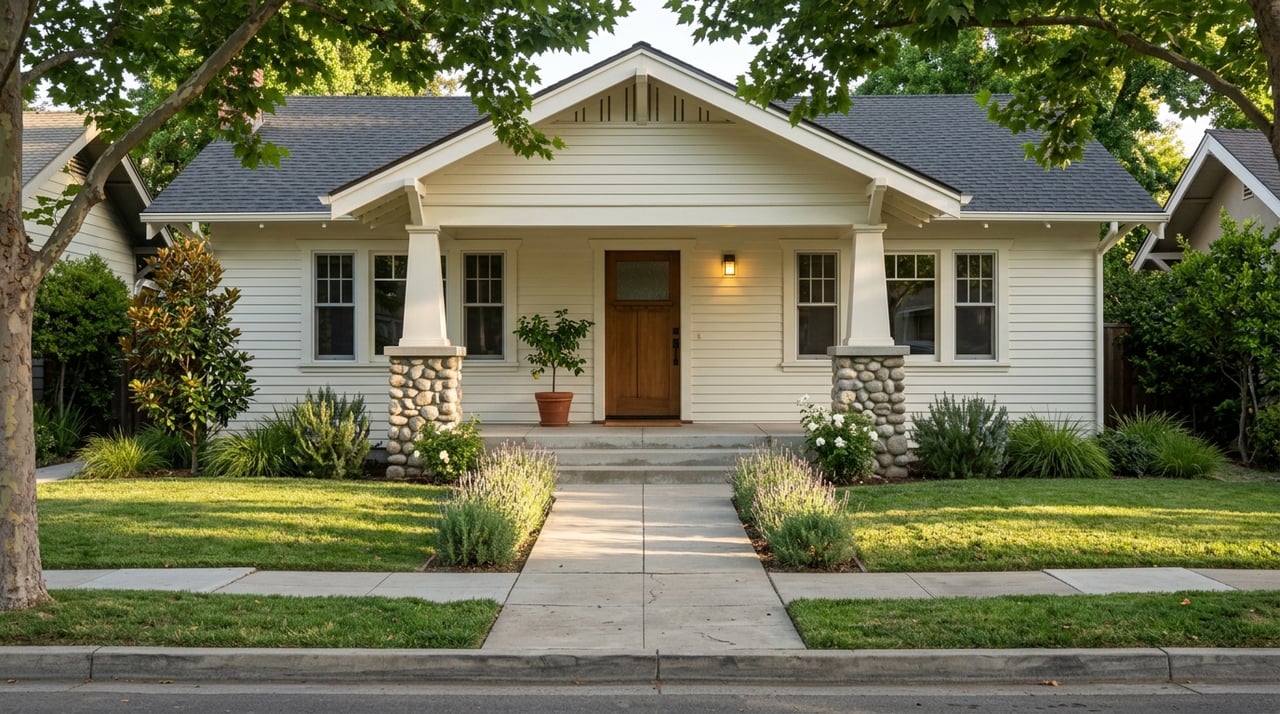
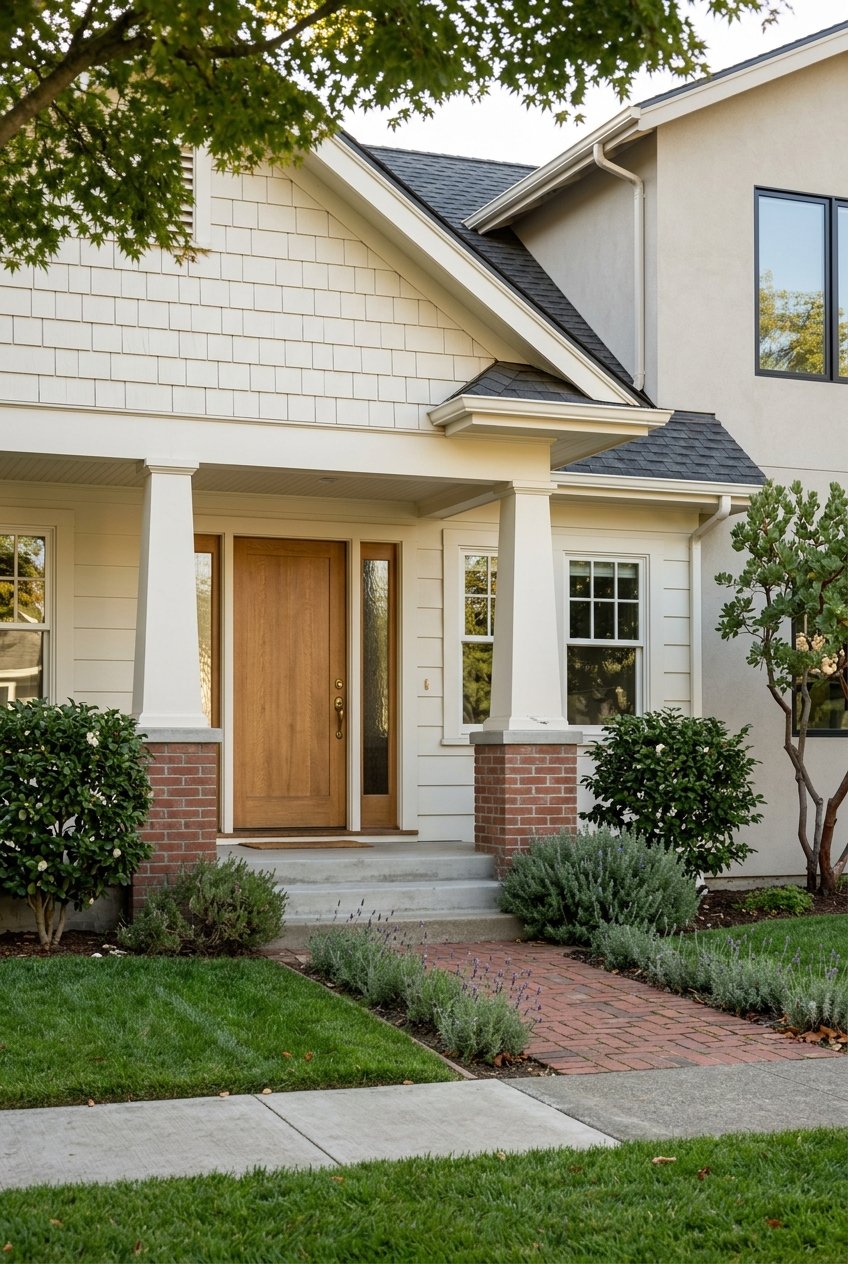
Craftsman bungalows are one of the styles many buyers picture first when they think about Willow Glen character. These homes are typically low and horizontal, with broad gables, deep eaves, exposed rafter tails, porch posts, and wood or stucco exteriors.
In San José’s architectural context, Craftsman homes are closely tied to the 1905 to 1925 period. Many early-20th-century homes in the area are one story or one-and-a-half stories, with broad eaves and porch-focused facades.
Living in one of these homes often means enjoying charm that is hard to replicate in newer construction. You may get a welcoming front porch, detailed millwork, and a more traditional room-by-room layout that feels cozy and defined.
The tradeoff is that many older bungalows have smaller kitchens, tighter hallways, and fewer bathrooms than buyers want today. If you love the look but need a more open floor plan, it is smart to think early about whether your changes would be cosmetic or structural.
Spanish Revival and Mediterranean Homes
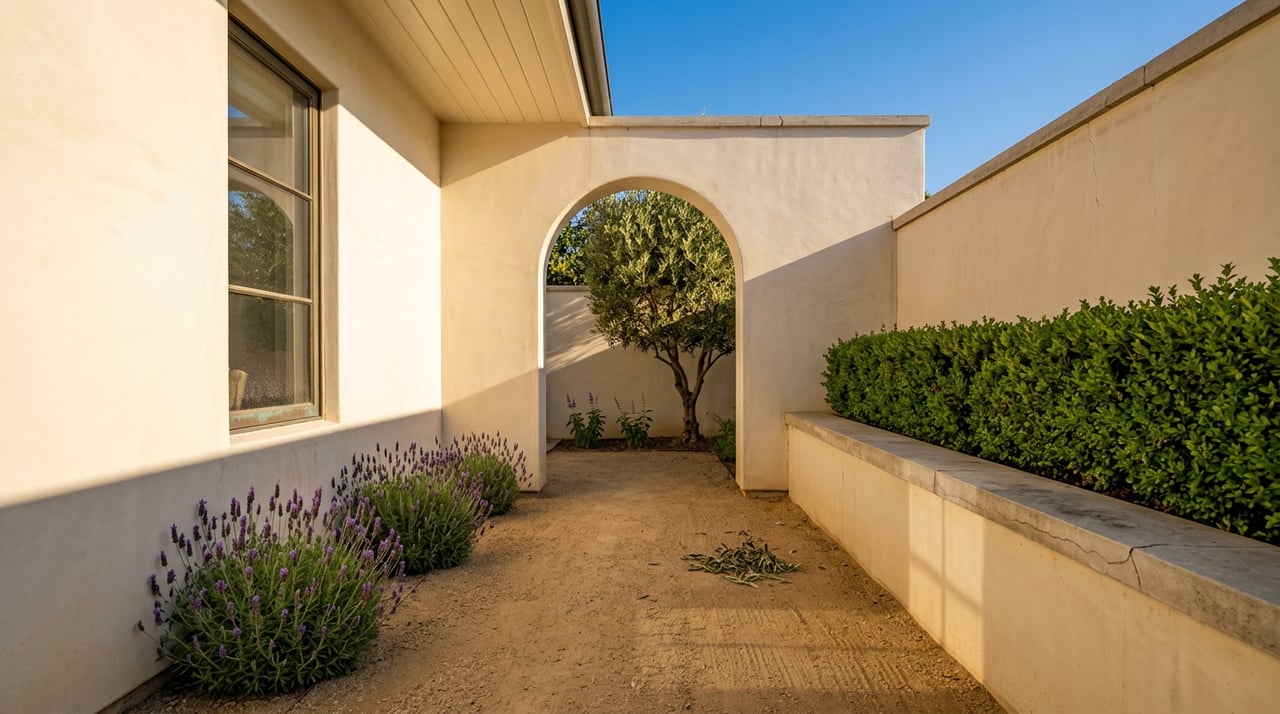
Spanish Colonial Revival, Mission, and Mediterranean-style homes bring some of Willow Glen’s strongest curb appeal. These homes often feature stucco exteriors, red tile roofs, arched openings, recessed windows and doors, and patio-oriented outdoor spaces.
This style was especially popular from about 1915 into the 1930s. In Willow Glen, buyers are often drawn to the warm materials and strong visual identity these homes offer.
Day to day, these homes can feel timeless and inviting. They also tend to reward owners who appreciate preserving original exterior details, since roof materials, stucco finishes, and window design all play a big role in the overall look.
If you are comparing this style with a simpler postwar home, the key question is often how much preservation work you are comfortable taking on. Exterior changes can be more sensitive here than they would be on a more basic ranch or tract-style home.
Tudor and Minimal Traditional Homes
Tudor Revival homes stand out for their steep front-facing or cross-gabled roofs, decorative half-timbering, brick or stucco walls, tall narrow windows, and prominent chimneys. Minimal Traditional homes are simpler and more compact, usually with low-pitched roofs, shallow eaves, small porches or stoops, and in later versions, attached garages.
These homes can be a strong fit if you like a classic look but do not necessarily need a large footprint. Their layouts often feel efficient, and they can offer a good middle ground between early character homes and later ranch-style living.
That said, many buyers find these homes need help with storage, natural light, or kitchen and bath size. If function matters as much to you as style, it helps to look beyond the facade and think carefully about how the floor plan supports your daily routine.
Ranch, Mid-Century, and Eichler Homes
If you want a home that feels more open from the start, ranch and mid-century homes often rise to the top. San José’s Ranch Era brought low, wide homes with patios, attached garages, and a more casual indoor-outdoor flow.
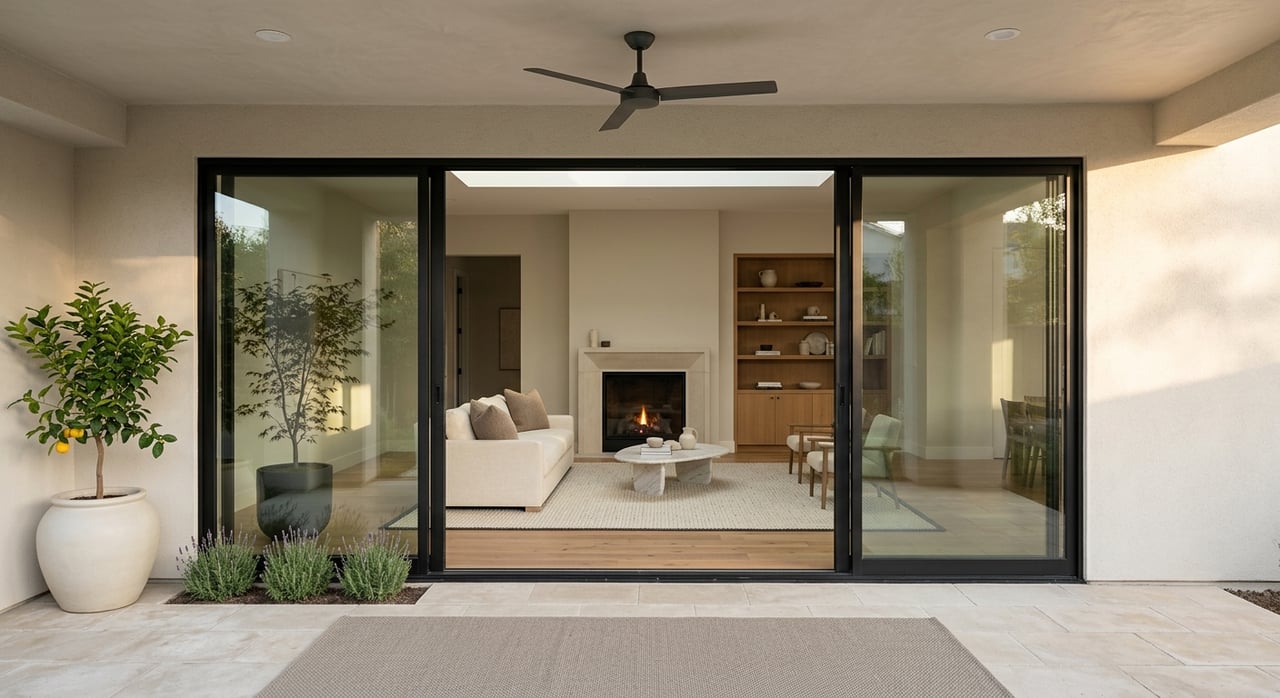
Mid-century modern and Eichler homes push that openness even further. These homes often feature post-and-beam construction, open floor plans, large areas of glass, sliding doors, clerestory windows, and carports or open garages.
Fairglen is Willow Glen’s best-known Eichler example, and Willow Glen includes multiple Eichler tracts. For buyers who value design, light, and a seamless connection to outdoor space, these homes can feel especially compelling.
One thing to keep in mind is that these homes often live larger than their square footage suggests, but their windows, roofs, and structural details are more design-sensitive than those of a conventional tract home. If you are drawn to this style, it helps to appreciate both the look and the upkeep that comes with it.
Newer Infill and Replacement Homes
Newer Willow Glen homes are usually not part of one original neighborhood-wide style. Instead, they are more often infill homes, replacement homes, or major additions to older properties.
For many buyers, the biggest appeal is practical. Newer homes often offer more modern layouts, newer systems, and fewer immediate maintenance projects than older homes.
That can mean larger kitchens, more flexible living spaces, and a floor plan that better matches how people live today. At the same time, older homes often contribute more of the historic texture and architectural detail that make Willow Glen feel unique.
This is where your priorities matter most. If you want ease and efficiency, newer construction may feel like the right fit. If you care most about original character, you may be happier with an older home even if it comes with a longer project list.
How Style Shapes Daily Living
Architectural style is not just about appearance. It affects how a home functions, how it ages, and how much work it may need over time.
Older bungalows and cottages often have more compartmentalized rooms. That can be appealing if you like defined spaces, but it can also lead buyers to consider opening walls, enlarging kitchens, or adding baths.
Ranch and Eichler homes often start with a more open feel, so the focus may shift from reworking the layout to improving glazing, insulation, or home systems. Spanish Revival and Tudor homes often ask for a stronger commitment to preserving defining exterior features.
In other words, the best style for you is usually the one that fits both your taste and your tolerance for updates. A beautiful house is only a great match if you feel good about living in it and caring for it.
Renovation and Permit Questions to Know
In Willow Glen, renovation planning starts with understanding what kind of property you are buying. If a home is on San José’s Historic Resources Inventory, the review process depends on its exact status.
For historic resources, ordinary maintenance that does not change the exterior appearance does not need an HP permit. Minor exterior work may qualify for an HP Permit Adjustment, while major alterations or new construction require an HP permit and public hearing.
For single-family homes that are not historic resources, San José still requires permits for new construction, additions, wall alterations, and other structural changes. This matters because many style-driven projects, especially in older homes, move quickly from simple cosmetic work into permit territory.
A roof is a good example. In San José, roof repair or replacement affecting less than 25% of the roof in a 12-month period may be exempt, but 25% or more requires a permit. For historic properties, planning clearance comes first, and replacement material is expected to be similar in scale, color, and texture to historic materials.
Window work can be similar. If you replace windows without changing framing, flashing, or the exterior wall, that may be exempt. Once the opening or structure changes, permitting is typically triggered.
Older Homes and Pre-Sale Due Diligence
Many Willow Glen homes were built before 1978, which is an important checkpoint for buyers and sellers. Homes from that period are more likely to have lead-based paint, and federal disclosure rules require known lead hazards to be disclosed before most pre-1978 sales or leases.
If you are planning updates, lead-safe work practices matter. The same is true if a renovation could disturb materials that might contain asbestos, since those materials should be sampled by a trained professional before disturbance.
This does not mean older homes should be avoided. It simply means due diligence is part of buying wisely, especially when you are considering remodeling soon after closing.
ADU Potential and Lot Layout
If flexibility matters to you, ADU potential can be a meaningful part of the conversation. San José allows ADUs and JADUs on residentially zoned properties, and a JADU can be created within the footprint of a single-family home, including an attached garage.
In Willow Glen, that makes lot size, rear-yard layout, and garage placement especially important. An older home with a deeper lot may create different options than a newer home with a larger main structure and less yard area.
For some buyers, this adds long-term value through extra living flexibility. For others, it is simply nice to know a property may support future uses like workspace, guest space, or multigenerational living.
Which Willow Glen Style Fits You Best?
If you are trying to narrow your search, it often helps to think in terms of lifestyle rather than labels. A bungalow or revival home may be right for you if you value architectural character and are comfortable with the possibility of more careful maintenance or renovation planning.
A ranch or Eichler-era home may make more sense if you want better flow, more natural light, and a floor plan that already feels open. A newer infill home may be the best fit if you want modern systems, a newer layout, and fewer immediate projects.
The real goal is not choosing the most popular style. It is choosing the home style that matches how you want to live now and how much change you want to take on over time.
If you are weighing those tradeoffs in Willow Glen, working with someone who understands both the numbers and the design details can make the process much easier. Angela Cheng can help you compare homes with a clear eye toward layout, condition, long-term potential, and the kind of ownership experience you want.
FAQs
What home styles are common in Willow Glen, San Jose?
- Willow Glen includes Craftsman bungalows, early cottages, Spanish Colonial Revival, Mission and Mediterranean homes, Tudor Revival, Minimal Traditional homes, ranch homes, mid-century modern homes, Eichlers, and newer infill or replacement homes.
What makes a Willow Glen bungalow different from a ranch home?
- A Willow Glen bungalow usually has a more traditional, compartmentalized layout with porch-oriented character, while a ranch home is typically lower, wider, and more open with stronger indoor-outdoor flow.
What should buyers know about renovating older Willow Glen homes?
- Older Willow Glen homes often need careful planning because structural changes, additions, wall alterations, and some exterior updates may require permits, and historic-resource properties can have added review requirements.
What is important to know about Eichler homes in Willow Glen?
- Eichler homes in Willow Glen are known for open plans, post-and-beam construction, expansive glass, and strong indoor-outdoor design, but their windows, roofs, and structural details are more design-sensitive than those of a typical tract home.
Can a Willow Glen property support an ADU or JADU?
- In San José, ADUs and JADUs are allowed on residentially zoned properties, and a JADU can be created within the footprint of a single-family home, including an attached garage, so lot layout and garage placement are important factors to review.
Are pre-1978 Willow Glen homes a concern for buyers?
- Many pre-1978 homes can still be great options, but buyers should understand that these properties are more likely to have lead-based paint and may need lead-safe renovation practices if work will disturb older materials.